Blog ·
How Heat Pumps Deliver Comfort Year-Round
How Heat Pumps Deliver Comfort Year-Round
Heat pumps represent a transformative approach to home climate control, providing both heating and cooling with exceptional efficiency. Unlike traditional systems that generate heat, heat pumps move existing thermal energy, making them remarkably effective in various climates and seasons.
Understanding Heat Pump Technology
A heat pump works by extracting heat from one location and transferring it to another. During winter, it pulls heat from outside air, ground, or water sources and moves it indoors. In summer, it reverses the process, removing heat from inside your home and releasing it outdoors—functioning as a highly efficient air conditioner. This reversible operation eliminates the need for separate heating and cooling systems.
Types of Heat Pumps
Air-source heat pumps are the most common and cost-effective option, drawing heat from outdoor air even in cold temperatures. Modern units operate efficiently well below freezing.
Ground-source (geothermal) heat pumps leverage stable underground temperatures, offering superior efficiency but requiring significant installation investment and available land space.
Ductless mini-split heat pumps provide zone-based heating and cooling for individual rooms, offering flexibility for homes without traditional ductwork or those needing customized comfort control.
Energy Efficiency Advantages
Heat pumps deliver significantly more heating and cooling energy than the electricity they consume. A quality heat pump can provide three to four units of heating or cooling for every unit of electrical energy used. This efficiency translates directly to lower utility bills, especially in moderate climates with mild winters.
Year-Round Benefits
- One system handles both winter heating and summer cooling
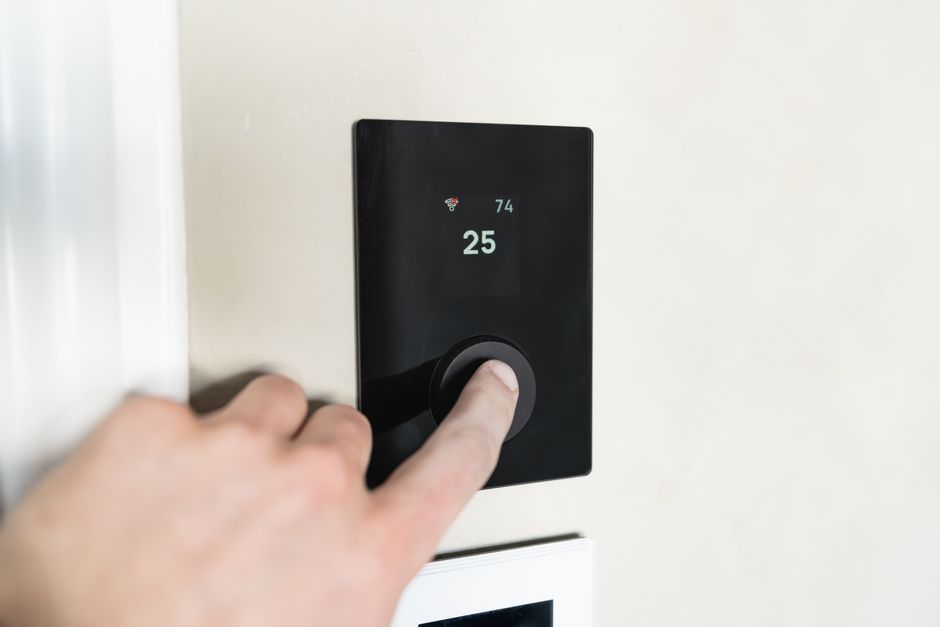
- Precise temperature control through smart thermostats and variable-speed compressors
- Lower operating costs compared to traditional furnaces and air conditioning
- Quiet, consistent operation with minimal noise production
- Reduced environmental impact from lower energy consumption
- Many systems qualify for energy rebates and tax incentives
Optimal Performance Considerations
Heat pump effectiveness depends on proper sizing, quality installation, and regular maintenance. A system sized correctly for your home's heating and cooling demands ensures efficient operation without energy waste. Clogged filters and dirty outdoor coils reduce efficiency, so seasonal maintenance is essential.
Is a Heat Pump Right for You?
Heat pumps work exceptionally well in temperate climates and moderate winters. Even in colder regions, modern cold-climate heat pumps maintain efficiency down to subzero temperatures. Your home's insulation, ductwork condition, and local utility rates all influence whether a heat pump delivers maximum benefits for your situation.
Professional evaluation of your home's layout, climate zone, and current system performance helps determine if heat pump technology matches your comfort and efficiency goals.